Introduction
In the extremely managed food industry, agreement manufacturers play an important function in bringing products to market. These business focus on generating as well as packaging food on behalf of various other business, enabling brands to concentrate on advertising and also circulation. However, contract producers have to navigate a complicated landscape of food labeling needs to make certain conformity with Australian laws. This short article supplies insights and also guidance for contract producers operating in Australia, covering topics such as contract food manufacturing, food security standards, labeling demands, and also more.
Contract Food Manufacturing: Fulfilling the Demand for Outsourcing
Contract food production has ended up being progressively popular in recent years as services aim to outsource their production needs. This plan permits companies to take advantage of the expertise as well as sources of specialized makers while focusing on their core proficiencies. In Australia, contract food manufacturing is a thriving market, with firms using a wide variety of solutions, consisting of item growth, formula, product packaging, and high quality control.
Understanding Food Safety and security Specifications in Australia
Food security is of extremely important value in the agreement production sector. Contract suppliers need to follow strict regulations to ensure the safety and security as well as honesty of the items they generate. In Australia, these standards are set by Food Specification Australia New Zealand (FSANZ) and implemented by state as well as territory regulatory authorities.

The Great Manufacturing Practices (GMP) guidelines offer a structure for making certain that foodstuff are produced continually as well as meet top quality requirements. Agreement makers should execute robust quality assurance systems to follow GMP demands. This includes developing procedures for active ingredient sourcing, production procedures, storage, taking care of, product packaging, labeling, as well as distribution.
Meeting Classifying Requirements: Trick Considerations
Accurate as well as insightful labeling is important for ensuring consumer safety and advertising openness in the industry. Agreement makers should acquaint themselves with Australian labeling requirements to stay clear of expensive mistakes or prospective legal concerns. Right here are some key considerations when it comes to food labeling in Australia:
1. Necessary Label Information
Australian food labeling regulations require specific details to be presented on item tags. This consists of the product name, components listing, irritant info, nutritional details, and also native land. Agreement makers need to ensure that all required label information is accurate and also clearly legible.
2. Allergen Management
Allergen management is a critical element of food labeling in Australia. Agreement manufacturers must have robust systems in place to prevent cross-contamination and also precisely proclaim the existence of irritants on product tags. This involves performing comprehensive threat evaluations, carrying out partition steps, and also on a regular basis screening for irritant traces.
3. Nutritional Information
Nutritional details is an essential consideration for consumers when making buying decisions. Australian food labeling legislations need agreement manufacturers to supply exact and also standardized dietary information on their items. This includes the energy value (calories), protein material, fat content, carbohydrate content, and also any various other relevant nutrient information.
4. Native Land Labeling
Country of beginning labeling is another demand that agreement producers should adhere to in Australia. This involves plainly showing the nation or nations where the product was made or expanded. The Australian Competitors as well as Customer Payment (ACCC) gives guidelines on just how to satisfy country of origin labeling requirements.
5. Health Claims as well as Advertising Messages
Contract makers ought to additionally recognize the regulations surrounding health insurance claims and also marketing messages on food labels. In Australia, any kind of cases made regarding the health and wellness advantages or residential properties of a product must be supported by clinical proof and also follow http://donovanufpb388.fotosdefrases.com/comprehensive-guide-to-selecting-the-right-contract-food-manufacturing-partner specific laws set by FSANZ.
FAQs: Common Questions Regarding Food Identifying Demands in Australia
What are the consequences of non-compliance with food labeling requirements in Australia? Non-compliance with food labeling demands can result in lawful fines, including fines or product recalls. It can also damage a brand's track record and wear down customer trust.

Are there certain labeling demands for organic food items in Australia? Yes, health food products have added labeling demands in Australia. They must be licensed by a recognized natural certifier as well as show the relevant accreditation logo.
Can agreement manufacturers help with item development and formula? Yes, many agreement producers use item advancement and also formula solutions. They can help in creating personalized formulas that fulfill details dietary or dietary requirements.
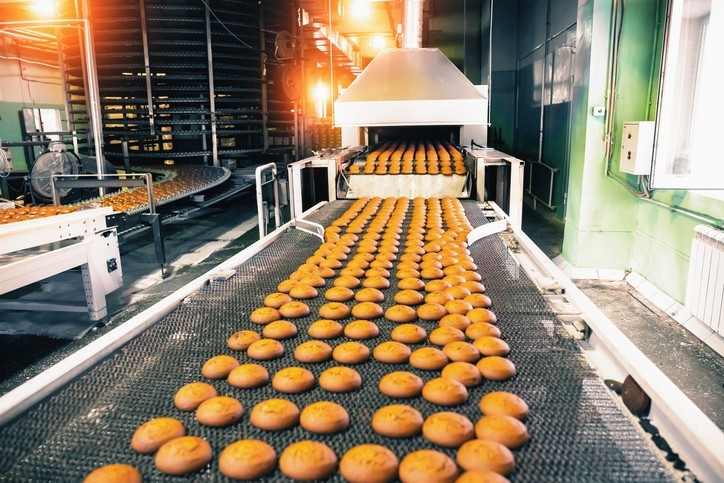
What is the duty of agreement makers in guaranteeing food safety and security? Agreement suppliers are in charge of implementing durable food safety systems, including GMP standards, to ensure the safety and security as well as integrity of the items they produce.
Are there any type of exceptions to food labeling needs for local business? Local business might be qualified for sure exceptions or streamlined labeling requirements. However, it is necessary to seek advice from regulative authorities or look for lawful recommendations to identify eligibility.
How can contract manufacturers stay upgraded on changes to food labeling laws? Contract producers need to on a regular basis keep track of updates from FSANZ and also other regulatory bodies. They can likewise engage with market organizations as well as go to pertinent seminars or workshops to remain informed.
Conclusion
Navigating food labeling needs in Australia is a complex job for agreement producers. Conformity with laws is crucial to make certain consumer security and also maintain count on the marketplace. By understanding the crucial factors to consider described in this short article, contract manufacturers can navigate the regulative landscape properly while supplying high-grade products that fulfill industry criteria. Partnering with knowledgeable professionals that specialize in food labeling as well as compliance can additionally enhance a contract maker's capability to fulfill these requirements successfully.